The Evolution of Drilling Technology
 Drilling has been a cornerstone of human progress for thousands of years, evolving from primitive hand tools to today’s autonomous systems that are revolutionizing industries worldwide. What began as a simple means to access water, minerals, and energy has transformed into a highly sophisticated practice that balances efficiency, precision, and safety.
Ancient Beginnings and Early Innovation
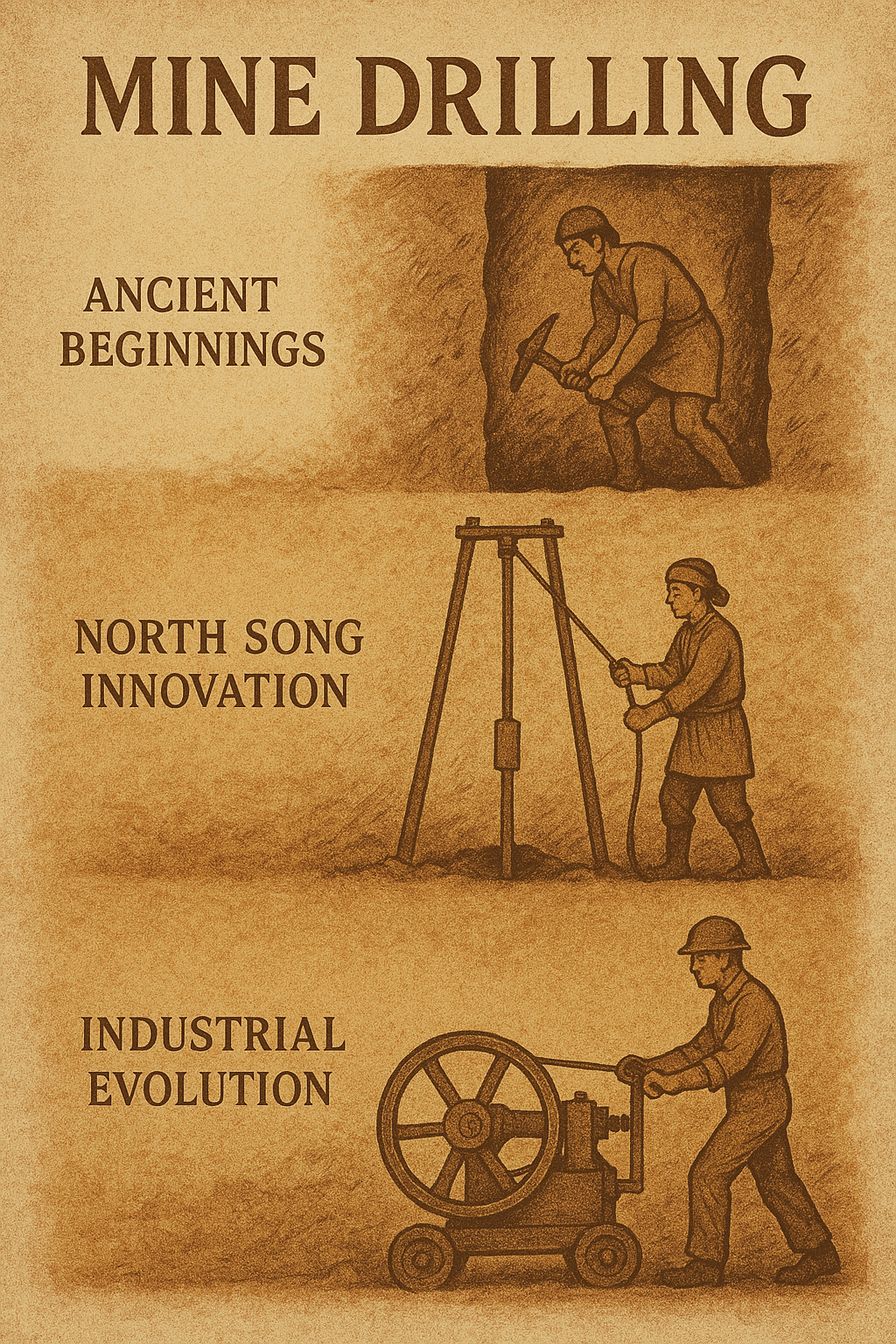
The earliest evidence of drilling dates back to ancient civilizations such as Egypt and China, where artisans used bow drills to craft jewellery and bore through rock. Around 3000 BCE, the Egyptians employed copper tubes and sand abrasives to cut through stone, setting the foundation for more advanced techniques. By the time of the North Song Dynasty in China (960–1127 CE), drilling had already taken a significant leap forward. Innovators of that era developed percussion drilling—using bamboo poles and rope to drive metal bits into the ground—an ingenious precursor to modern rotary drilling systems.
These early inventions reflected both the ingenuity and resilience of ancient engineers. They worked with limited materials and manual labour, yet managed to create solutions that shaped early construction, mining, and well-digging practices.
The Industrial Revolution: Power Meets Precision
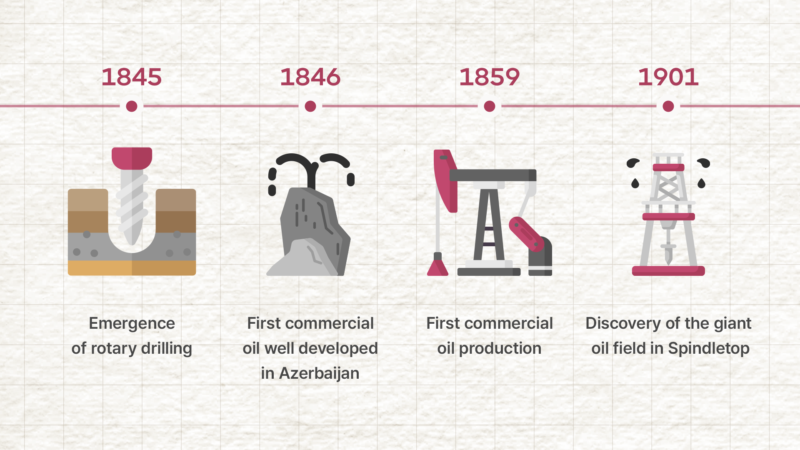
The Industrial Revolution in the 18th and 19th centuries marked a turning point for drilling. Steam power and later electricity replaced human and animal strength, dramatically increasing the scale and depth of operations. Rotary drilling, first used in the mid-1800s, allowed continuous cutting rather than repeated percussion, improving both speed and accuracy. This technology paved the way for the discovery of deep oil reserves that would fuel the modern age.
As industries expanded, safety became a growing concern. The introduction of standardized equipment, better materials, and training programs reduced workplace risks and increased worker safety. Pneumatic and hydraulic systems further enhanced control and precision, ensuring that drilling could be done more efficiently without compromising worker safety. These advancements not only boosted productivity but also set new standards for industrial operations across the world.